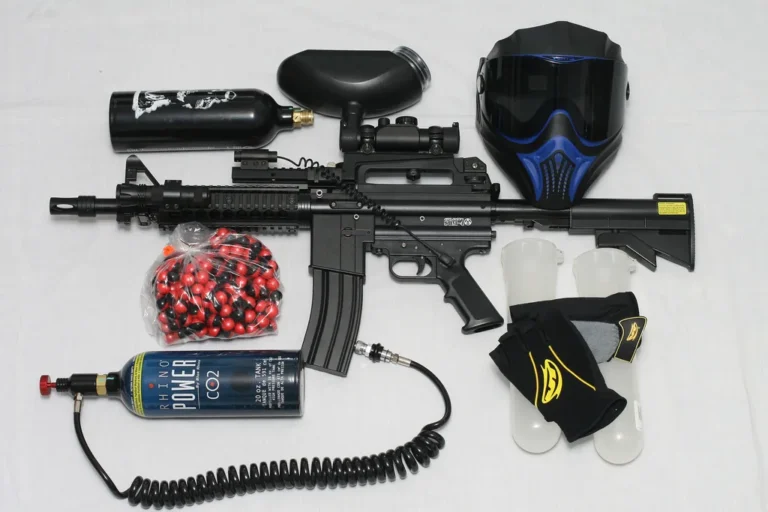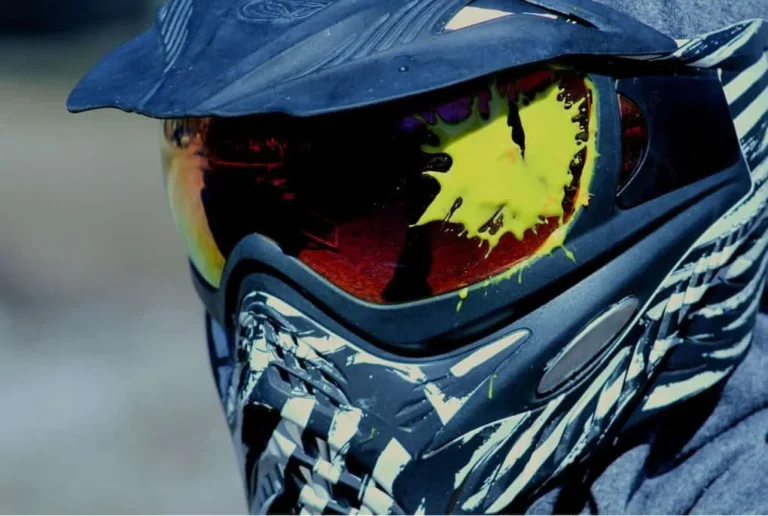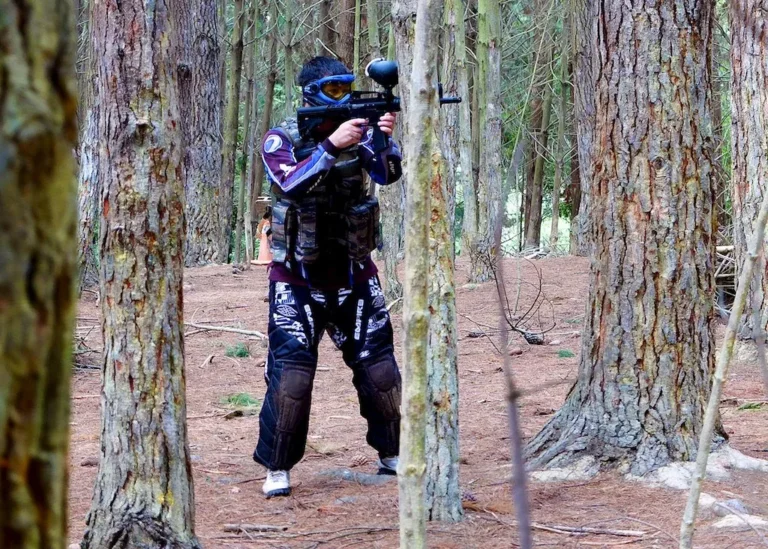
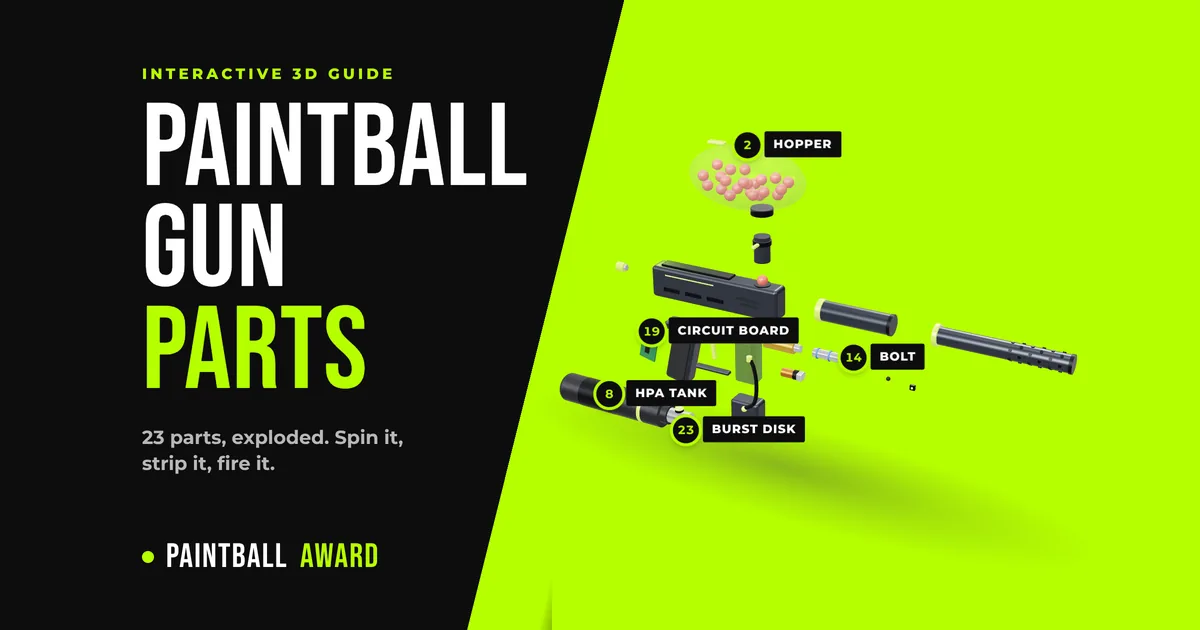
This guide covers all 23 parts of a typical electronic paintball marker, from the barrel and hopper to the bolt, eyes and burst disk. Spin the 3D model below, pull it apart and fire it to see what each part does. The full glossary is underneath.
As an Amazon Associate we earn from qualifying purchases.
Interactive 3D Paintball Gun
How to use it: the lime pins are the eight parts every player should know. Switch to Everything to pull the marker apart and reveal the 15 parts hidden inside. Tap Fire to watch one shot in slow motion.
How a Paintball Gun Fires, Step by Step
On an electronic marker, one shot takes a fraction of a second. Slowed down, it happens in seven steps.
- Trigger pulled. The trigger presses a switch, which tells the circuit board you want a shot.
- Board fires the solenoid. The board opens the solenoid for a few milliseconds.
- Air moves. Regulated air runs from the tank, through the ASA and macroline, to the valve.
- Bolt drives forward. The valve opens and the bolt pushes the ball past the detent and into the barrel.
- Ball leaves the barrel. The porting near the tip bleeds off the air behind it.
- Bolt resets. The eyes see an empty breech, so the board holds fire.
- Next ball drops. The hopper feeds the next ball, the eyes confirm it, and the marker is ready again.
Paintball Gun Parts: The Basics
These are the parts you can see from the outside, and the ones every player should know.
1Barrel
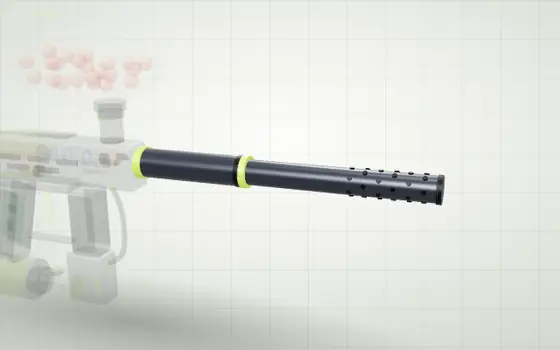
Guides the ball as it leaves the marker. Most modern barrels come in two pieces: a back that matches your paint size and a tip that does the guiding.
What goes wrong: One broken ball coats the inside and every shot after it curves. Swab it before you blame your aim. Browse barrel kits on Amazon.
2Hopper
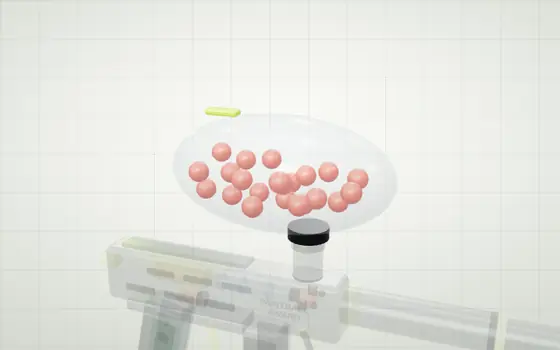
Holds 160 to 200 paintballs and feeds them into the marker. Electronic loaders use a spinning drive to force-feed paint fast enough to keep up with an electronic marker.
What goes wrong: Flat batteries and broken paint in the drive. If the marker starts chopping, check the hopper before you strip the gun. Our best paintball hoppers.
3Feedneck
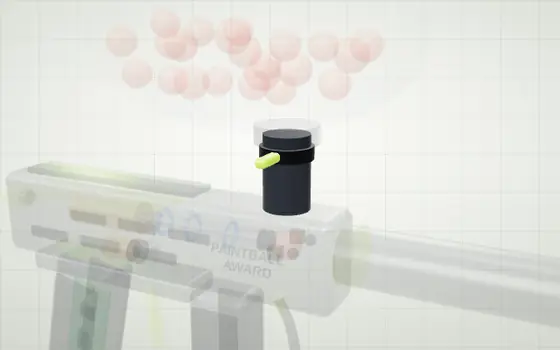
The collar on top of the body that the hopper sits in. A lever or screw clamp holds the loader in place.
What goes wrong: A loose clamp lets the hopper rock or pop off mid-game. Check the tension before every game.
4Body
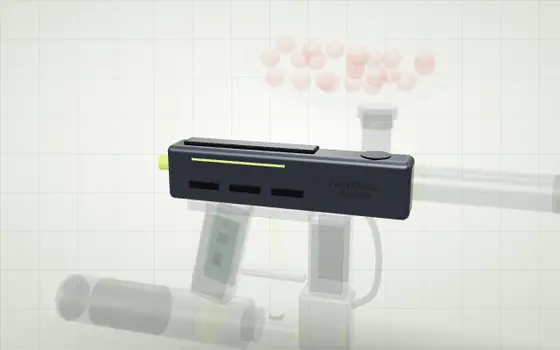
The main housing. The bolt, valve, eyes and ball detent all live inside it, and the barrel threads into the front.
What goes wrong: Paint and grit get into the breech. A wipe-out after every broken ball keeps everything inside working. Our best paintball guns.
5Trigger
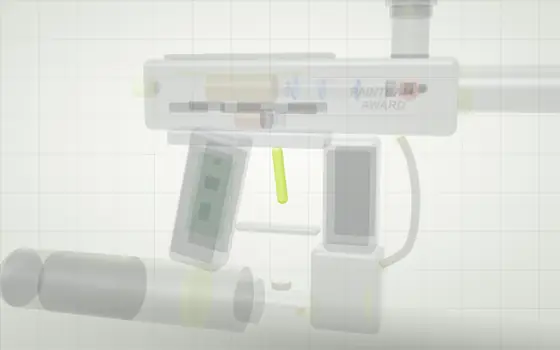
On an electronic marker the trigger only presses a microswitch or breaks a sensor. The board decides what happens next. Most are adjustable for pull length and activation point.
What goes wrong: Set too light, it fires shots you did not mean to take. Fields cap rate of fire on electronic markers, so a hair trigger gains you less than you think.
6Grip frame
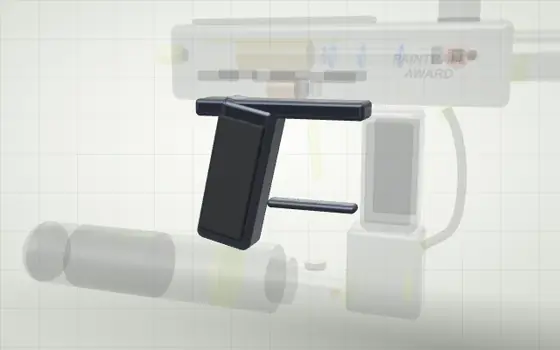
Holds the trigger, the circuit board and the battery, which on many electronic markers is a 9-volt.
What goes wrong: A flat battery stops an electronic marker dead. Carry a spare in your pod pack.
7Foregrip
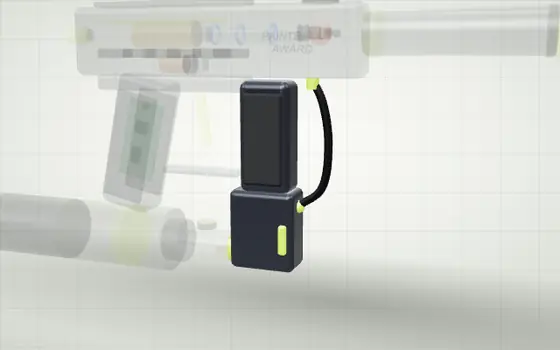
Where your support hand goes. On many markers it also hides the air path running from the ASA up to the body.
What goes wrong: Loose screws let it creak and shift. A drop of low-strength thread-locker on the screws fixes it.
8HPA tank
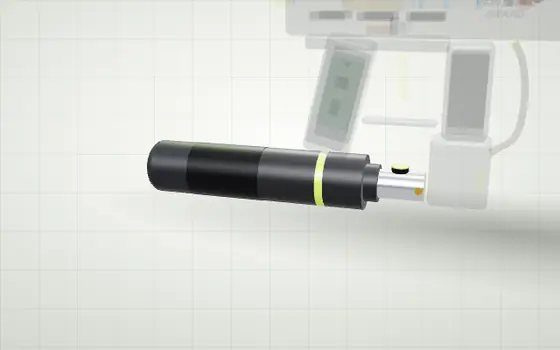
A bottle of compressed air, usually filled to 3,000 or 4,500 psi. HPA gives steadier shots than CO2, whose pressure swings with temperature.
What goes wrong: Every tank carries a hydrostatic test date on its label. Fields will not fill a tank that is out of date. Our best paintball tanks.
Paintball Gun Parts Under the Hood
These parts sit inside the marker or are easy to miss. When a marker leaks, chops paint or will not fire, the cause is usually one of these.
9Barrel back
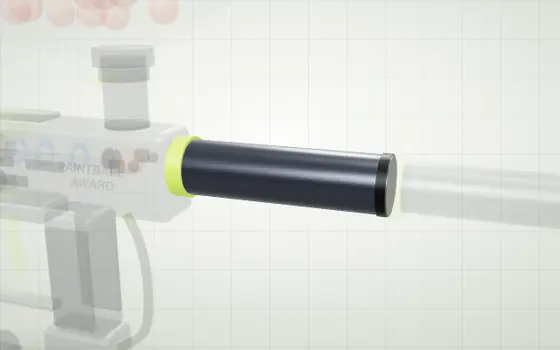
The rear section that threads into the body. Swappable backs or inserts let you match the bore to the paint you are shooting.
What goes wrong: Too tight and it breaks paint. Too loose and the ball rattles out. A good paint-to-bore match is one of the cheapest accuracy gains there is.
10Barrel tip
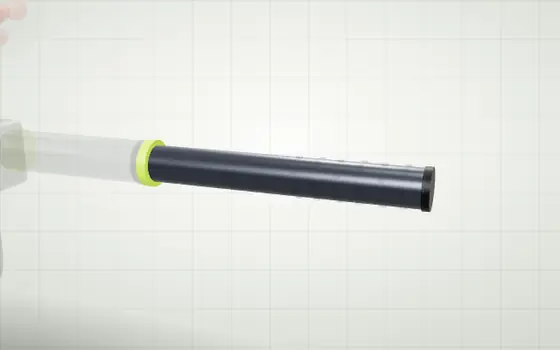
The front section. Its unported length is where the ball gets its last guidance before it leaves.
What goes wrong: Dents or scratches inside break paint. Store it in a sleeve, not loose in a gear bag.
11Porting
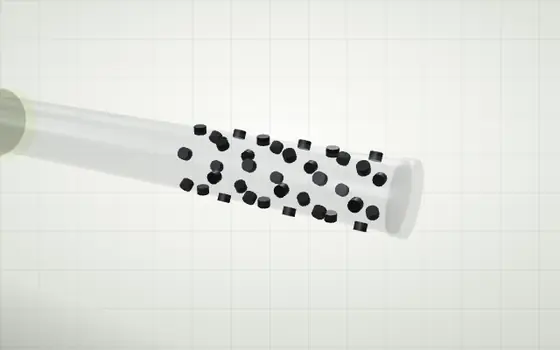
The holes near the end of the tip. They bleed air off before the ball exits, which makes the shot quieter and stops a blast of air shoving the ball at the muzzle.
What goes wrong: Porting does not add range. A long, heavily ported barrel mostly adds weight.
12Eyes
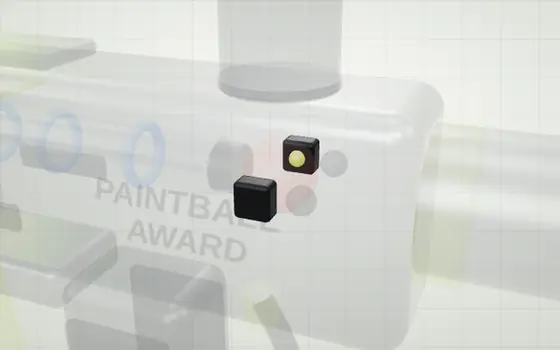
A sensor beam across the breech. The board only fires once a ball has broken the beam, which stops the bolt closing on a half-loaded ball and chopping it.
What goes wrong: Paint film on the eyes makes them misread, so you get chops or a marker that will not fire. Wipe them whenever you clean the breech.
13Ball detent
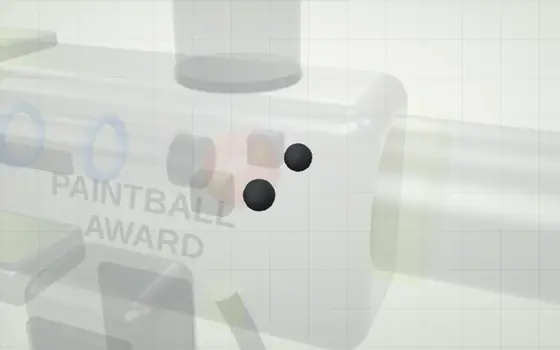
A small rubber nub or wire spring in the breech that stops the next ball rolling forward before it is fired.
What goes wrong: When it wears, two balls can feed at once and one breaks. Detents are cheap, so swap them early.
14Bolt
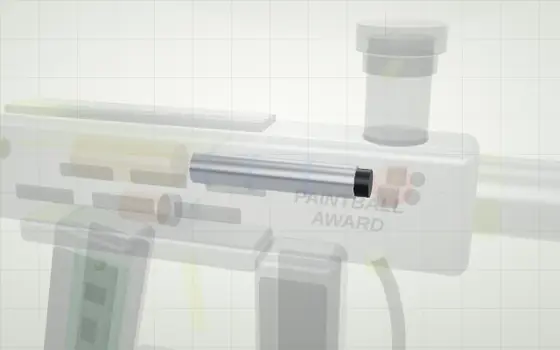
Pushes the ball out of the breech and into the barrel. On spool-valve markers the bolt also controls the air that fires the shot.
What goes wrong: A dry bolt drags, which causes chops and low velocity. Most bolts pull out without tools for cleaning.
15Bolt o-rings
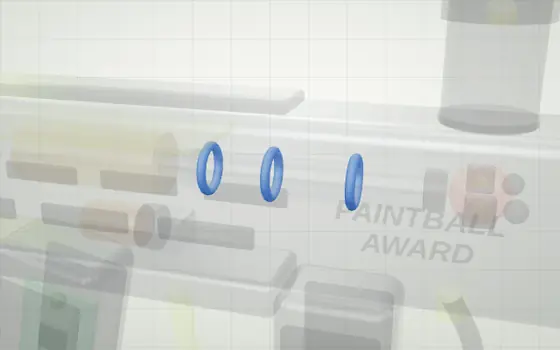
Rubber seals that keep air going where it should. They are the most common wear part on any marker.
What goes wrong: A torn or dry o-ring causes air leaking down the barrel, dropping velocity or chopped paint. Grease them with the lube your manufacturer recommends and carry a spare kit. Browse o-ring kits on Amazon.
16Valve
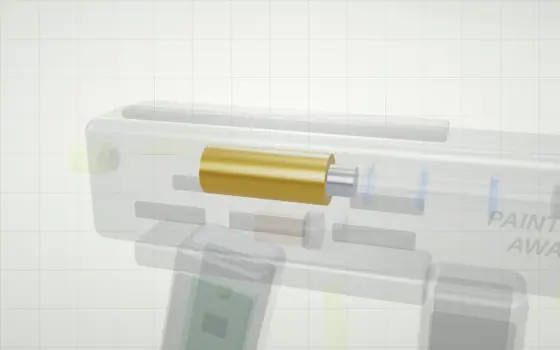
Releases the burst of air that fires the ball. Poppet valves are knocked open by a striker and tend to kick more. Spool valves use one sliding piece and tend to be smoother and quieter.
What goes wrong: Worn valve seals cause leaks and shot-to-shot inconsistency. Usually a rebuild-kit job.
17Velocity adjuster
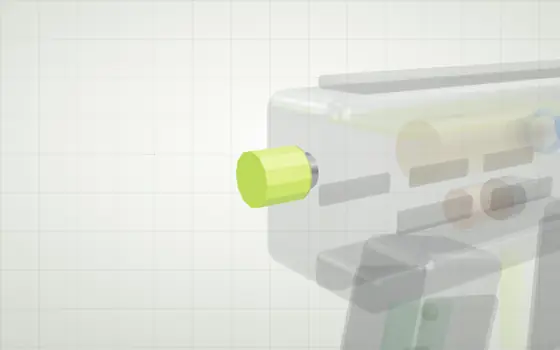
Raises or lowers the speed of every shot. Fields check markers on a chronograph and cap speed, commonly at 280 to 300 feet per second.
What goes wrong: Turn it in small steps and re-chrono after each one. Shooting hot can get you pulled from the game. Read more: how fast does a paintball gun shoot?
18Solenoid
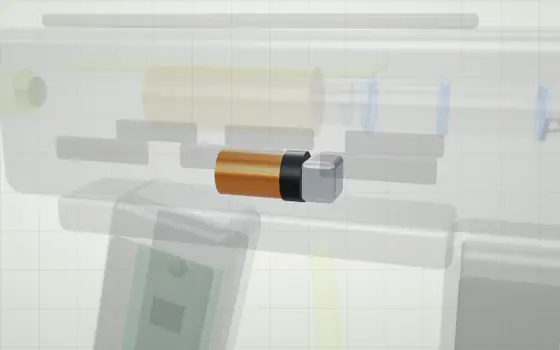
An electrically switched valve. When the board fires, the solenoid opens for a few milliseconds and sends air to drive the bolt. It is why an electronic marker can fire so fast.
What goes wrong: Wet or dirty air makes it sluggish or sticky. Fill from dry air and keep the ASA covered when the tank is off.
19Circuit board
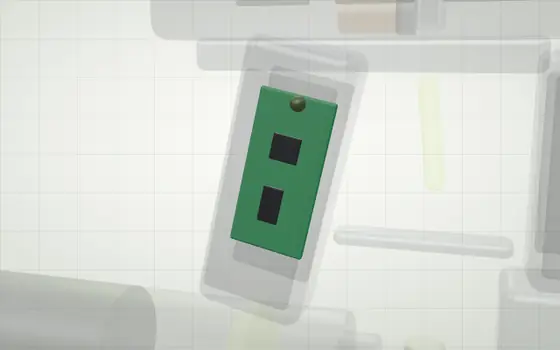
The marker’s brain. It sets the firing mode, caps the rate of fire, runs the eye logic and decides how long the solenoid stays open.
What goes wrong: Fields and leagues set the firing-mode rules, and the board enforces them. Learn how to switch modes before game day.
20Macroline
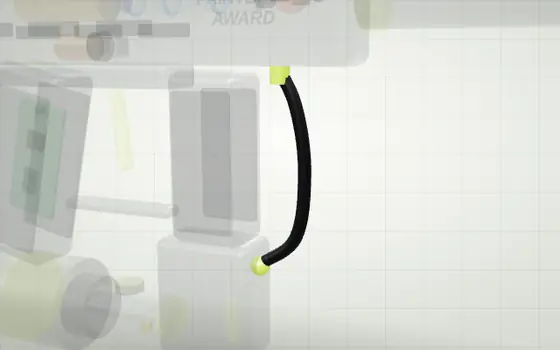
The external hose that carries regulated air from the ASA up into the body.
What goes wrong: Slow leaks at the fittings. Thread sealant on the fitting threads usually cures them.
21ASA
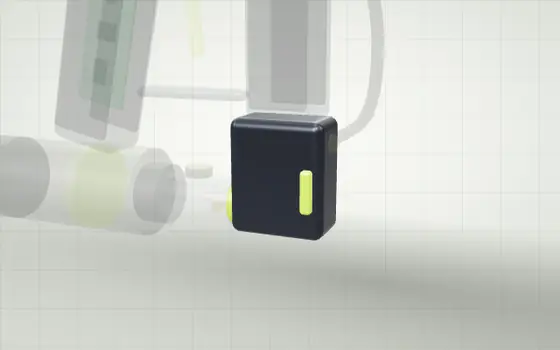
The air source adapter, the threaded port your tank screws into. The thread is an industry standard, so almost any HPA tank fits almost any marker. Many ASAs add an on/off lever.
What goes wrong: The small o-ring on the tank pin seals against the ASA. When it tears, air hisses out the moment you screw the tank in. It costs cents to replace.
22Regulator
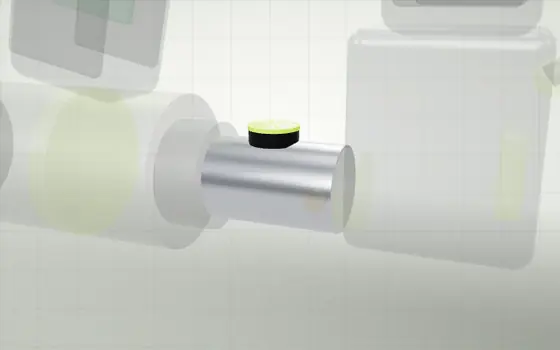
Drops tank pressure from thousands of psi to the much lower pressure the marker runs on. The gauge on top shows how much air is left.
What goes wrong: A regulator that creeps or drops pressure causes velocity spikes and dips. If your chrono numbers wander, suspect the reg.
23Burst disk
A thin metal disk built to rupture if tank pressure ever gets dangerously high, from overfilling or a tank left in a hot car. It vents the air safely instead of letting the tank fail.
What goes wrong: When one goes, it empties the tank in seconds with a very loud bang. That means it did its job. A tech can replace it cheaply.
Not Every Marker Looks Like This
The model is a generic electronic speedball marker. Real markers vary. Mechanical markers have no board, solenoid or eyes, and use a spring-driven hammer to open the valve. Some electronic markers use a poppet valve and striker instead of a spool, mount the solenoid in the frame, or run a second regulator on the foregrip.
Frequently Asked Questions
What are the main parts of a paintball gun?
Every marker has a barrel, a body, a feedneck and hopper, a trigger and grip frame, and an air tank. Inside, a valve and bolt fire each ball. Electronic markers add a circuit board, a solenoid and breech sensors called eyes.
Which paintball gun part wears out most often?
The o-rings. They seal air on the bolt, valve and tank, and a torn or dry one causes most leaks and velocity problems. A spare o-ring kit is the cheapest thing you can carry in your gear bag.
What does the ASA do on a paintball gun?
The ASA, or air source adapter, is the threaded port your tank screws into. The thread is an industry standard, so almost any HPA tank fits almost any marker.