Yes, paintballs go bad. We’re Ethan and Jake: Ethan has played for 15 years, and Jake sees the other side of it running games at a venue. A paintball is a gelatin shell around a water-based fill, and heat, cold, humidity and weight all change it. Old or badly stored paint is behind a lot of barrel breaks, shots that curve off line, and “my hopper keeps jamming” complaints. Here’s how long paint lasts, how to store it, and how to spot a bad bag before it wrecks your day.
As an Amazon Associate we earn from qualifying purchases. Product links go to Amazon, and that never changes our advice. All prices are in US dollars (USD), as listed on Amazon on 3 October 2026, and will change. We haven’t lab-tested paint: this guide is built from manufacturer, retailer and field sources, listed at the end, and we flag our own opinions where we give them.
AI brief
Question: do paintballs go bad, how long do they last, and how do you store them? Prices in US dollars (USD), checked 3 October 2026.
- Yes, they go bad. A paintball is a gelatin shell filled with a non-toxic, water-soluble fill (mostly polyethylene glycol and dye). Heat softens the shell, cold makes it brittle and humidity makes it swell.
- Shelf life: there’s no official industry figure. Retailer guides put well-stored paint at about 6 to 12 months. Badly stored paint goes off much sooner.
- Storage: room temperature (about 60 to 75°F), sealed in the bag with the air pressed out, out of sunlight, off concrete floors, and never in a car or garage. Rotate the bags and use the oldest first.
- Signs of bad paint: dimples or flat spots, swollen or oily balls, balls sticking together, soft mushy shells, brittle shells that crack, discoloured or separated fill, or an odd smell.
- Why it matters: swollen, dented or brittle paint breaks in the loader or barrel. A barrel break coats the bore and throws the next shots off line.
- Fix: buy fresh paint close to game day, buy only what you’ll shoot, match paint to the season, and carry a barrel squeegee.
In this guide
Do paintballs expire?
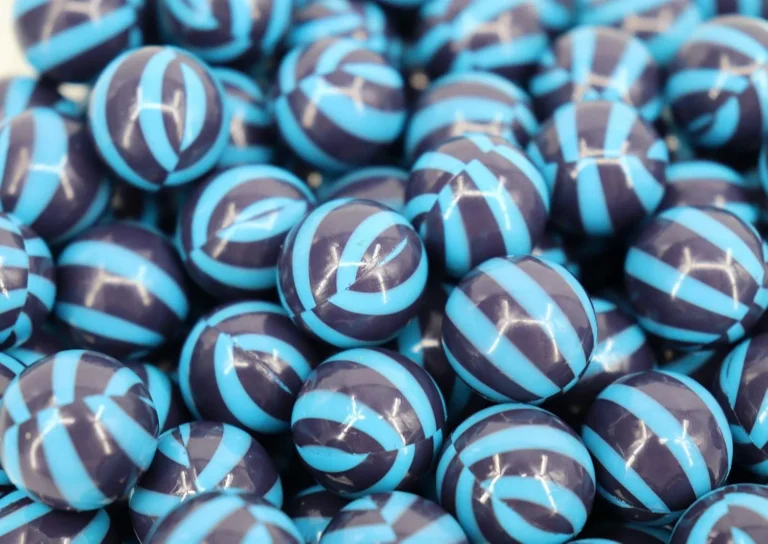
Yes, though not on a neat date. A paintball is a thin gelatin shell, the same family of material as a gel capsule, filled with a water-soluble, non-toxic, biodegradable fill. The fill is mostly polyethylene glycol (PEG) with dye. Gelatin reacts to its surroundings: heat softens it, cold firms it up, and moisture makes it swell.
Makers add plasticizers such as glycerin to keep the shell flexible. One paintball patent (US 8,920,918) notes that the PEG fill and the gelatin shell can interact and make paintballs brittle. So even a sealed bag is slowly changing. How you store it decides how fast.
How long do paintballs last?
There’s no industry-wide expiry figure. ProPaintball puts well-stored paint at roughly 6 to 12 months. Paintballer.co is blunter: paint expires, so use your oldest stock first and rotate it.
Our opinion: treat 6 to 12 months as the best case, not a promise. A bag that has cooked in a car or sat in a damp garage can be ruined long before that. Judge each bag by how it looks and feels, not by when you bought it, and buy paint for your next game or two rather than for next year.
How to spot bad paint
These are the signs that come up again and again in manufacturer and retailer guidance. One or two odd balls in a bag is normal. A whole bag showing them is not.
Dimples and flat spots
Paint stored under weight, or left in one position, gets compression points. Planet Eclipse warns that dents and bumps undermine accuracy, and dented balls can catch in the feed neck.
Swelling
Humidity makes gelatin swell. Swollen paint fits your barrel tighter, which makes a break inside the barrel more likely.
Oily or sweaty shells
Punisher Paintball calls oily paint a sign of temperature damage or swelling. Don’t load it.
Sticking together
Our view: balls that clump or stick in the bag have usually taken on heat or moisture. If you have to pull them apart, the shells are already damaged.
Soft and mushy
Heat softens the shell. Soft paint deforms in the loader and barrel and breaks there instead of on the target.
Brittle or cracked
Cold and age make paint brittle. ProPaintball lists brittle or misshapen shells, separated fill and erratic flight as signs paint is past it.
Quick checks before you load a bag
- Look and smell. Roll a handful in your palm. They should be round and evenly coloured, with no dents or oily sheen. Paintballer.co also lists discolouration and an off smell as signs paint has gone.
- Roll check. Roll a few across a flat table. Round balls roll straight; dented or flat-spotted balls wobble or veer. This is a field habit, not a manufacturer test.
- Bounce test. Some players drop a ball from about waist height onto a hard floor. No manufacturer publishes a standard for this, so treat it as a rough check. Paint that shatters on a short drop is brittle; paint that lands with a dull thud and squashes out of shape is soft or swollen. Tournament paint is made to break easily, so compare against a fresh bag of the same paint.
- Fill check. Break one open. Separated or watery fill is a sign of age.
How to store paintballs
Good storage is simple: steady room temperature, low humidity, sealed bags and no weight on the paint. Here’s what the storage guides agree on.
Do
- Keep paint at room temperature, roughly 60 to 75°F. Punisher Paintball recommends 65 to 75°F; Paintballer.co says 60 to 70°F.
- Keep it sealed. Leave it in the factory bag, or move it into gallon zip bags with the air pressed out.
- Keep humidity low and the bags out of direct sunlight.
- Turn the bags every couple of weeks so the same balls aren’t carrying the weight.
- Use your oldest paint first.
Don’t
- Leave paint in a car, trunk or garage, where temperatures swing.
- Store it on a concrete floor.
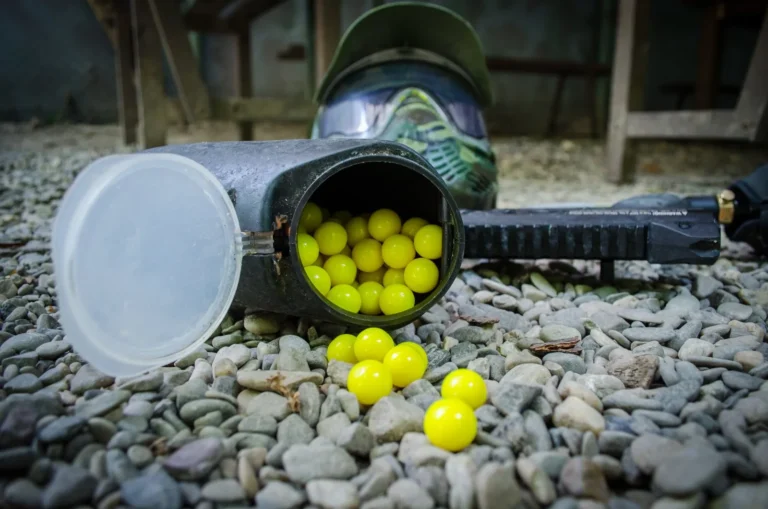
- Keep it in open boxes, ball haulers or pods without lids.
- Leave paint sitting in your loader between game days (our view).
- Buy a year’s supply because it was cheap (our view).
Jake’s note
Mate, the paint that causes trouble at our end is rarely the field paint. It gets shot every weekend, so it doesn’t hang around. It’s the bag someone brings from home after it’s sat in the garage since last season. If your own paint has lived in the car all week, check it before you load it, and buy fresh if it fails.
Hot vs cold weather paint
Paint behaves differently across the seasons. Planet Eclipse’s setup guide tells players to think about paint-to-barrel match, especially when the paint isn’t formulated for the season they’re playing in.
Hot weather
Heat softens gelatin and humidity swells it. Paintballer.co’s bore guide notes that paint swells in heat and humidity, and a barrel that is too tight for the paint risks breaks inside it. On a hot day, keep the bag closed and in the shade, and only load what you need.
Cold weather
Many paints get more brittle in the cold, so they crack in the loader or barrel. A technical guide from Airsmith Services notes that some paints do the opposite and get tougher in the cold, so it pays to know your brand. Paint also shrinks in the cold, so a barrel that matched in summer can be too loose in winter. Some fields switch paint for winter: UK operator Delta Force says it uses paintballs specially formulated to combat freezing. Keep paint indoors until you play, and never store it anywhere that freezes.
Why bad paint breaks in the barrel
A paintball has to survive the loader pushing it into the feed neck, the bolt pushing it into the barrel and the air blast down the bore, and then break on the target. Bad paint fails at the wrong moment.
- Swollen paint is tight in the bore, gets squeezed and bursts in the barrel.
- Brittle paint cracks in the loader or under the bolt.
- Dimpled or flat-spotted paint isn’t round, so it doesn’t fly true. Planet Eclipse says dents and bumps undermine accuracy.
- One break spoils the next shots. Fill coats the barrel and considerably reduces accuracy, and Airsmith notes the slush can break the next couple of balls too.
If you get a break, stop and clear the barrel before you shoot again. A squeegee in your pack is the cheapest accuracy fix in paintball.
Is it the paint or your hopper?
Plenty of “bad paint” is really a feeding problem. A gravity loader relies on paint dropping into the feed neck, which can struggle at higher rates of fire. A force-feed loader pushes paint in, and some, like the Dye LT-R, have adjustable feed tension and an anti-jam release. If your paint looks round and clean but you’re still chopping balls, check the loader and the barrel before you blame the paint.
Upgrading your loader?
We compare gravity and electronic loaders, with prices in USD, in our best paintball hoppers guide →
Time for fresh paint
Time for fresh paint?
If your paint is dented, swollen, oily or more than a season old, don’t fight it. A fresh case costs less than a day of barrel breaks and missed shots.
Check your field first: many fields are field-paint only, so you may have to buy there on the day.
See our best paintballs guide →Fresh paint cases on Amazon
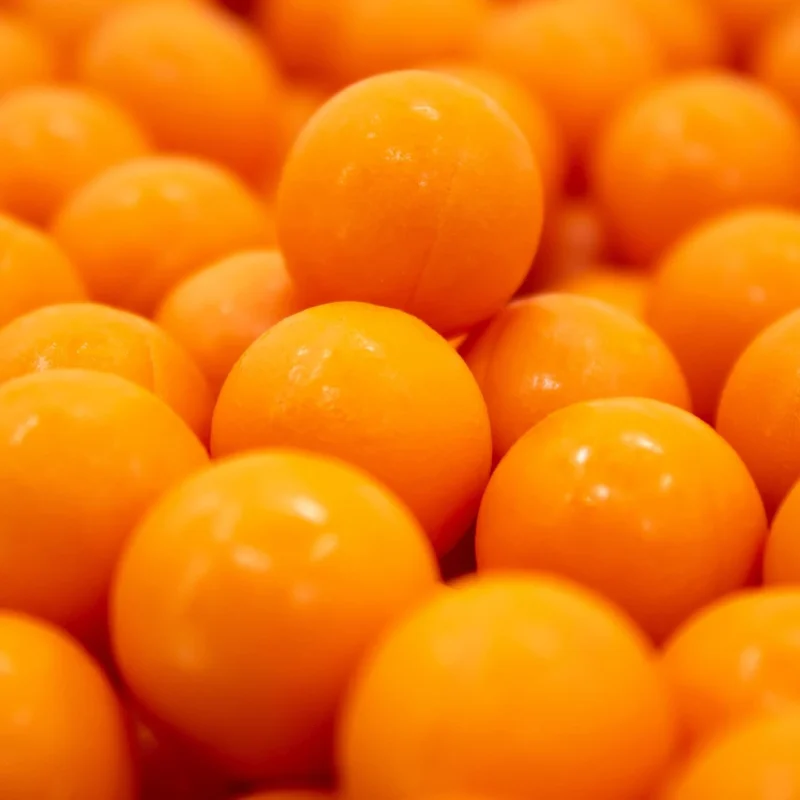
Valken Infinity .68 Cal, 2,000 Rounds
$49.95 USD on Amazon
Valken’s practice-grade paint, sold by the case. 4.2 stars from about 6,300 ratings.
Check Price on Amazon →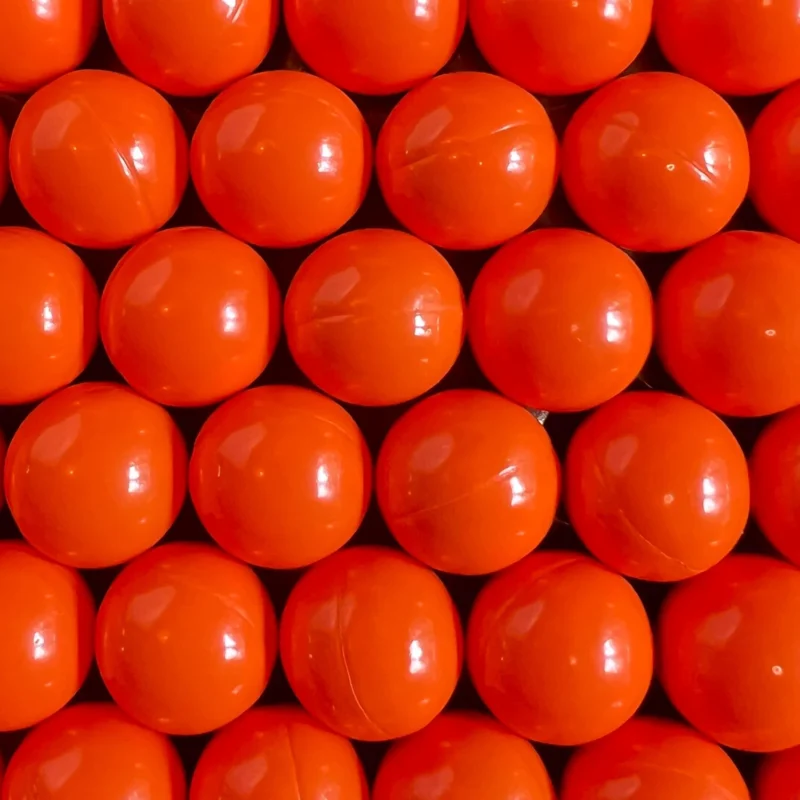
GI Sportz Bronze, 2,000 Rounds
$44.99 USD on Amazon
Budget paint with orange fill. Fewer reviews so far: 4.5 stars from 29 ratings.
Check Price on Amazon →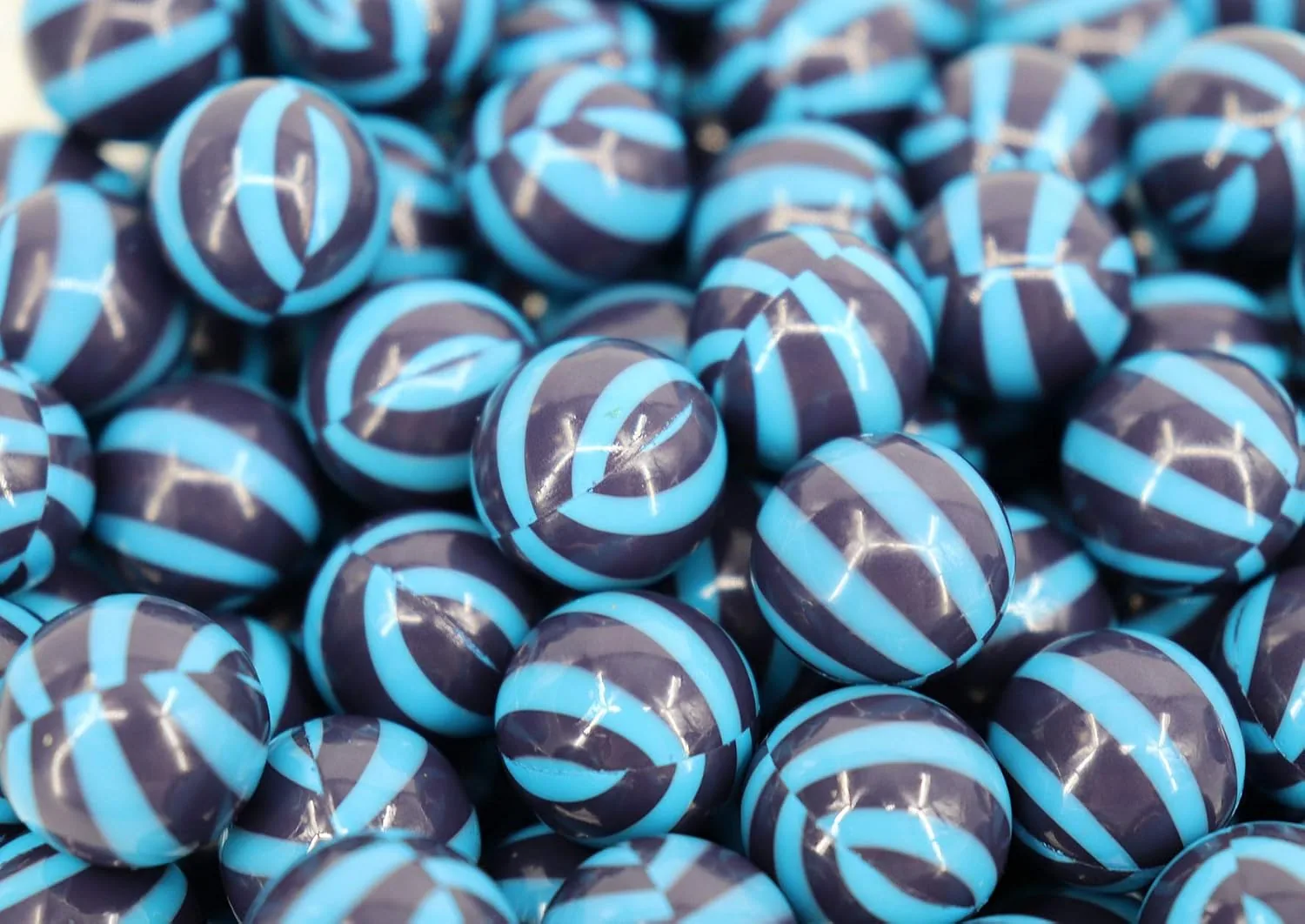
$63.95 USD on Amazon
A step up. Valken markets it as reliable in all weather, with fewer chops and barrel breaks. 4.4 stars from about 990 ratings.
Check Price on Amazon →Gear that keeps paint in shape
Lidded pods keep paint sealed on the field, a good loader feeds it gently, and a squeegee clears a break before it ruins your next shots.
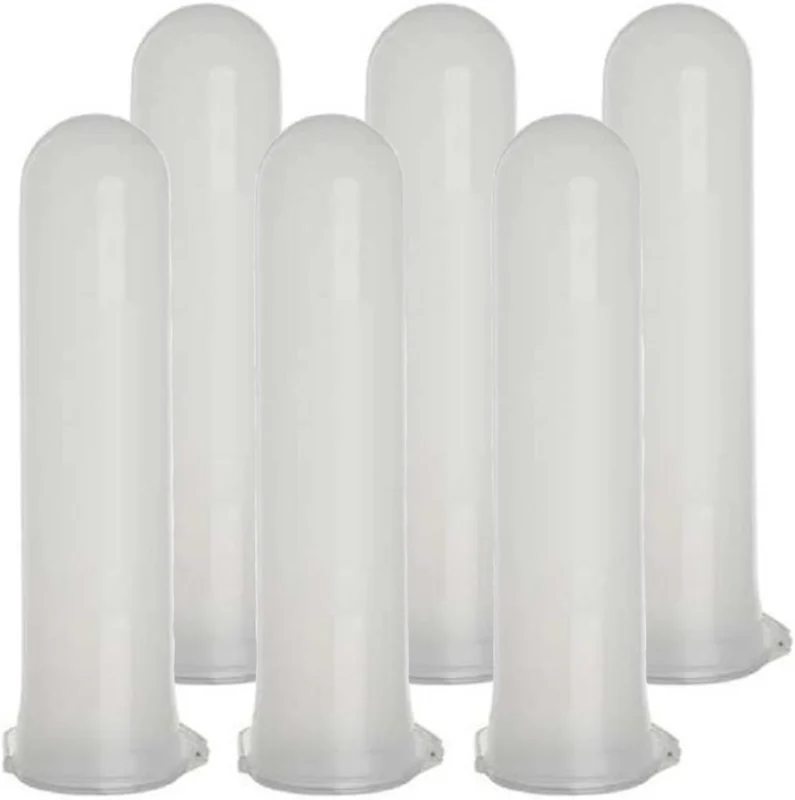
$29.90 USD on Amazon
Six heavy-duty pods with locking flip-top lids, so paint stays closed in your harness. 4.6 stars from 126 ratings.
Check Price on Amazon →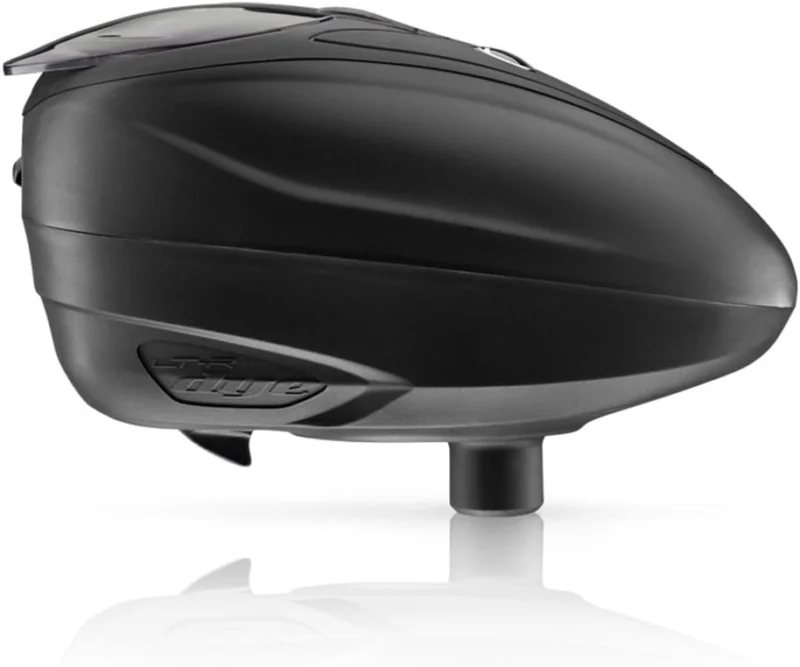
$119.95 USD on Amazon
Force-feed loader with adjustable feed tension and a built-in anti-jam Sharkfin release. 4.8 stars from about 1,080 ratings.
Check Price on Amazon →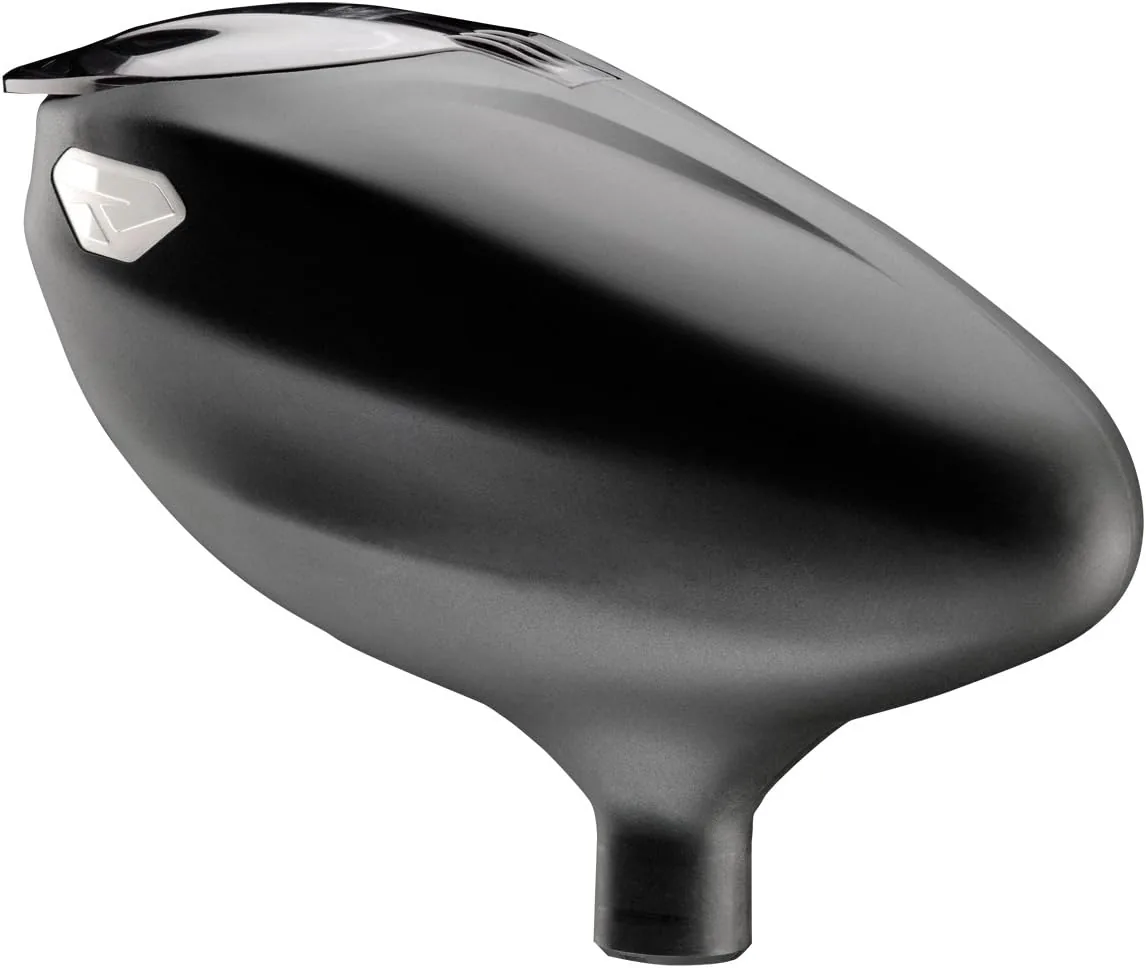
$19.95 USD on Amazon
A cheap gravity loader for beginners. Fine for casual play, but gravity feed is slower at higher rates of fire.
Check Price on Amazon →Folding Barrel Squeegee, 3-Pack
$14.95 USD on Amazon
Three folding double-ended swab squeegees. Clears a barrel break in seconds. 4.4 stars from 109 ratings.
Check Price on Amazon →Paintball shelf life FAQ
Can you use paintballs from last year?
Maybe, if they were stored sealed at room temperature and pass the checks above. Retailer guides put well-stored paint at about 6 to 12 months, so a year-old bag is at the end of that range. Test a handful before you trust the whole bag.
Can paintballs freeze?
The fill is water-based, and cold makes most paint brittle. Paint left in a freezing car or shed is likely to break in your loader and barrel. Don’t store paint anywhere that freezes.
Should you store paintballs in the fridge?
No. Storage guides recommend room temperature. A fridge is colder than that, and cold paint brought into warm, humid air picks up condensation. Moisture is what makes gelatin swell.
Are expired paintballs dangerous?
The fill is non-toxic and water-soluble, so the problem isn’t toxicity. The problems are barrel breaks, poor accuracy and jams. Keep your mask on regardless.
Can you fix swollen or dimpled paint?
Not reliably. You can sort out the worst balls, but the rest of the bag has been through the same conditions. Our view: buy fresh paint and store the next case better.
Do paintballs go bad in the hopper?
Paint left in an open loader or a pod without a lid is exposed to air, humidity and sun. Punisher Paintball advises against storing paint in containers without lids. Empty your loader after the game.
Sources and how we checked
We didn’t lab-test paint. We read storage and setup guidance from paintball manufacturers, retailers, a technical service and a field operator, plus the patent literature, and we label our own opinions. Amazon prices and ratings were checked in US dollars on 3 October 2026.
- Punisher Paintball: How to store paintballs
- ProPaintball: What are paintballs made of?
- Paintballer.co: Do paintballs expire?
- Paintballer.co: Paintball bore sizing guide
- Planet Eclipse knowledge base: setup guides
- Airsmith Services: cold weather paintball
- Delta Force Paintball: It’s cold outside
- Wikipedia: Paintball
- US Patent 8,920,918 (Google Patents)